Repair & Maintenance
The Scottsdale roof age guide: what's on your neighborhood's roofs and when each community hits the replacement window
If you're in DC Ranch, McCormick Ranch, Arcadia, Silverleaf, or anywhere across Scottsdale, your roof's replacement timing depends as much on when your home was built as on what's wrong with it. Here's the neighborhood-by-neighborhood map.
TL;DR
The quick version
- Scottsdale roofs don't usually fail because the tile gives out; they fail because the felt-paper underlayment beneath the tile reaches its 20 to 25 year service life. Most replacements are really re-underlayment.
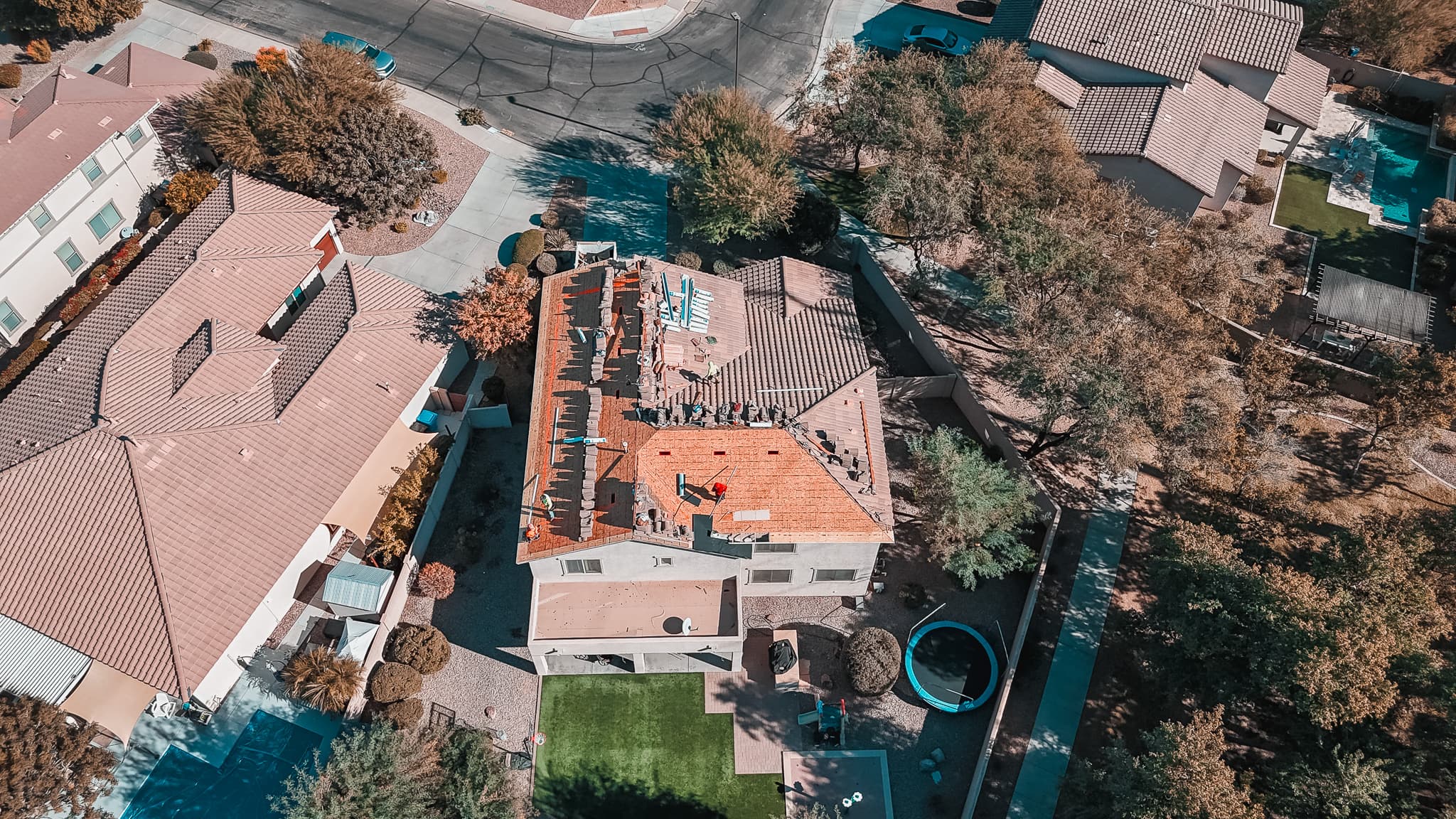
- Homes built 1995 to 2008 (most of DC Ranch, Grayhawk, Troon, and Silverleaf's first phase) are squarely in the lift-and-set re-underlayment window right now. That scope saves $8,000 to $12,000 versus full tile replacement.
- Older master-planned communities built in the 1970s and 1980s (McCormick Ranch, Scottsdale Ranch, Gainey Ranch, Stonegate) are past due and many homes are on their second underlayment cycle.
- Arcadia, Old Town, and most pre-1970 South Scottsdale homes are on a completely different cycle: flat foam (SPF) systems needing an elastomeric recoat every 8 to 12 years, not tile replacement.
- Fastest way to know your roof's history if you bought the home from someone else: look up your address in the City of Scottsdale's online permit search. A closed re-roof permit in the last 25 years tells you the underlayment has been replaced; no permit means the original is still up there.
If you own a home in Scottsdale and you're trying to figure out whether your roof needs work, the most useful thing you can know first is how old your subdivision is. Scottsdale was built in distinct waves, and each wave brought a different roof system, a different underlayment spec, and a different service life. Your specific tile or shingle isn't where the question starts. The question starts with the era your home was built in.
I've been walking Scottsdale roofs for years now, and the patterns are remarkably consistent by neighborhood. When a homeowner tells me they live in McCormick Ranch, I already have a pretty good idea of what their roof looks like before I drive over. Same with DC Ranch, Grayhawk, Silverleaf, Arcadia, or any of the older sections of Old Town. The build era predicts the system. The system predicts the failure mode. The failure mode predicts the right scope of work.
This guide walks through what got installed in each Scottsdale community, when those original systems are due for attention, and what to expect when you call any roofer for an estimate. It's not a replacement for an actual inspection of your specific roof, but it's the right starting context. If you know your neighborhood and your home's approximate build year, you can predict the next steps with surprising accuracy.
The framework most homeowners get wrong
The biggest misconception we hear from Scottsdale homeowners is "my tile roof is going to last forever." The tile, in most cases, will. Concrete and clay tile commonly outlast the homeowners who bought the house new. What fails is the felt-paper underlayment beneath the tile, and that has a 20 to 25 year service life in Arizona's UV and heat.
When a roofer tells you "your tile roof needs to be replaced," what they usually mean is "the underlayment beneath your tile needs to be replaced." This distinction matters because lift-and-set re-underlayment (carefully removing the tile, replacing the underlayment, then re-setting the same tile) typically runs 40 to 60% less than a full tile-and-underlayment replacement. On most Scottsdale homes built between 1995 and 2008, lift-and-set is the right scope.
So when you look at the build-era table below, the question isn't really "when does the tile fail" but "when is the underlayment beneath the tile due for replacement." Add 20 to 25 years to the build date and you have your window.
Scottsdale build-era timeline at a glance
Roughly, Scottsdale's residential growth fits into five buckets.
1950s and 1960s. Old Town Scottsdale, the original Arcadia neighborhoods, and parts of what we now call South Scottsdale. Mid-century modern homes with predominantly flat or low-slope roofs, originally built-up or rolled asphalt systems, many now converted to foam (SPF) over multiple recoat cycles.
1970s and 1980s. McCormick Ranch (started 1973), Scottsdale Ranch (early 1980s), Gainey Ranch (mid-1980s), Stonegate, and significant infill in established North Scottsdale neighborhoods. Pitched roofs almost universally tile (concrete), with the original felt-paper underlayment.
1990s through early 2000s. The peak North Scottsdale buildout. DC Ranch (started 1996), Grayhawk (started 1994), Troon Village (1990s), continued buildout at Desert Mountain (started 1986). Concrete tile or premium clay tile across almost the entire stock, with 30# or 40# felt-paper underlayment.
Mid-2000s through 2010s. Silverleaf (started 2003), Estancia, Whisper Rock, newer Troon North phases, and continued buildout in the master-planned communities. Tile dominant, with early adoption of synthetic underlayment beginning in the higher-end communities around 2005 to 2008.
2010s to present. Newer phases inside the established communities, custom infill in older neighborhoods, and the increasing prevalence of synthetic underlayment as standard. These roofs are still well within their original service life.
Neighborhood-by-neighborhood: what we typically see
The era ranges below are approximate buildout windows. Individual homes within each community can predate or postdate the typical range, especially for custom homes inside the gated sections.
Old Town Scottsdale and Arcadia (1950s to 1960s)
These are the oldest residential roofs in the city, and they're a different conversation from the rest of the guide. Original built-up flat roofs or rolled asphalt systems have mostly been replaced multiple times by now. Many Arcadia and Old Town homes are now on foam (spray polyurethane) systems on the flat sections, with the original installation date essentially irrelevant. What matters here is the recoat schedule: foam needs an elastomeric recoat every 8 to 12 years to maintain its waterproof envelope. See foam roof recoat timing for what that involves.
If your Arcadia home still has the original built-up flat roof from the 1960s, you're looking at full system replacement, not a recoat conversation.
McCormick Ranch (1973 to mid-1980s)
The oldest of the master-planned Scottsdale communities. Most original homes have concrete tile pitched roofs with 30# felt-paper underlayment. That underlayment was specified for roughly 20 years and is now 40-plus years past install. Almost every McCormick Ranch home that hasn't had a re-underlayment is past due. Many have been done once or even twice already, in which case you're looking at the second-cycle re-underlayment.
The good news for McCormick Ranch homeowners: most of the original tile is still serviceable, so lift-and-set is usually the right scope. The bad news: homes that had one prior re-underlayment done with felt paper instead of synthetic are about to come due again.
Scottsdale Ranch and Stonegate (1980s to early 1990s)
Similar profile to McCormick Ranch but a decade younger. Most original tile is concrete, original underlayment is felt, and the replacement window opened in the early 2000s. Almost every Scottsdale Ranch and Stonegate home should have had at least one re-underlayment by now. If yours hasn't, that's the call to make.
Gainey Ranch (mid-1980s to 1990s)
Mature community, established palette, predictable patterns. Concrete tile with felt-paper original underlayment. Most homes are in or past the replacement window. We see a lot of post-monsoon repair calls from Gainey Ranch in the late summer, often the trigger that surfaces the underlayment-failure conversation that was already overdue.
DC Ranch (1996 to mid-2000s) and surrounding sub-villages
DC Ranch's main buildout phases put most homes squarely in the lift-and-set window right now. Original Eagle Roofing concrete tile (Capistrano or Bel Air profile), with original felt-paper underlayment that's reaching or has just passed its specified service life. This is the most common Scottsdale neighborhood for the conversation about whether you're due for re-underlayment.
If you bought a DC Ranch home in the last few years, the relevant question is whether the prior owner had the underlayment replaced. The closed roof permits in the City of Scottsdale's online permit search will tell you. See our Scottsdale roofing permits guide for how to find them.
Silverleaf (2003 to present, with custom phases ongoing)
Silverleaf is split. The first-phase homes from 2003 to 2007 are now reaching the late-stage felt-paper underlayment window if the original underlayment was 30# felt. Newer phases (2008 onward) often had synthetic underlayment installed at construction and are still well within service life. Custom homes inside Silverleaf vary widely, including some clay-tile installations that are higher-cost and have their own specific replacement profile. ARC approval for any work runs separately from the City permit; see Scottsdale HOA roofing requirements for what Silverleaf's ARC typically requires.
Grayhawk (1994 to early 2000s)
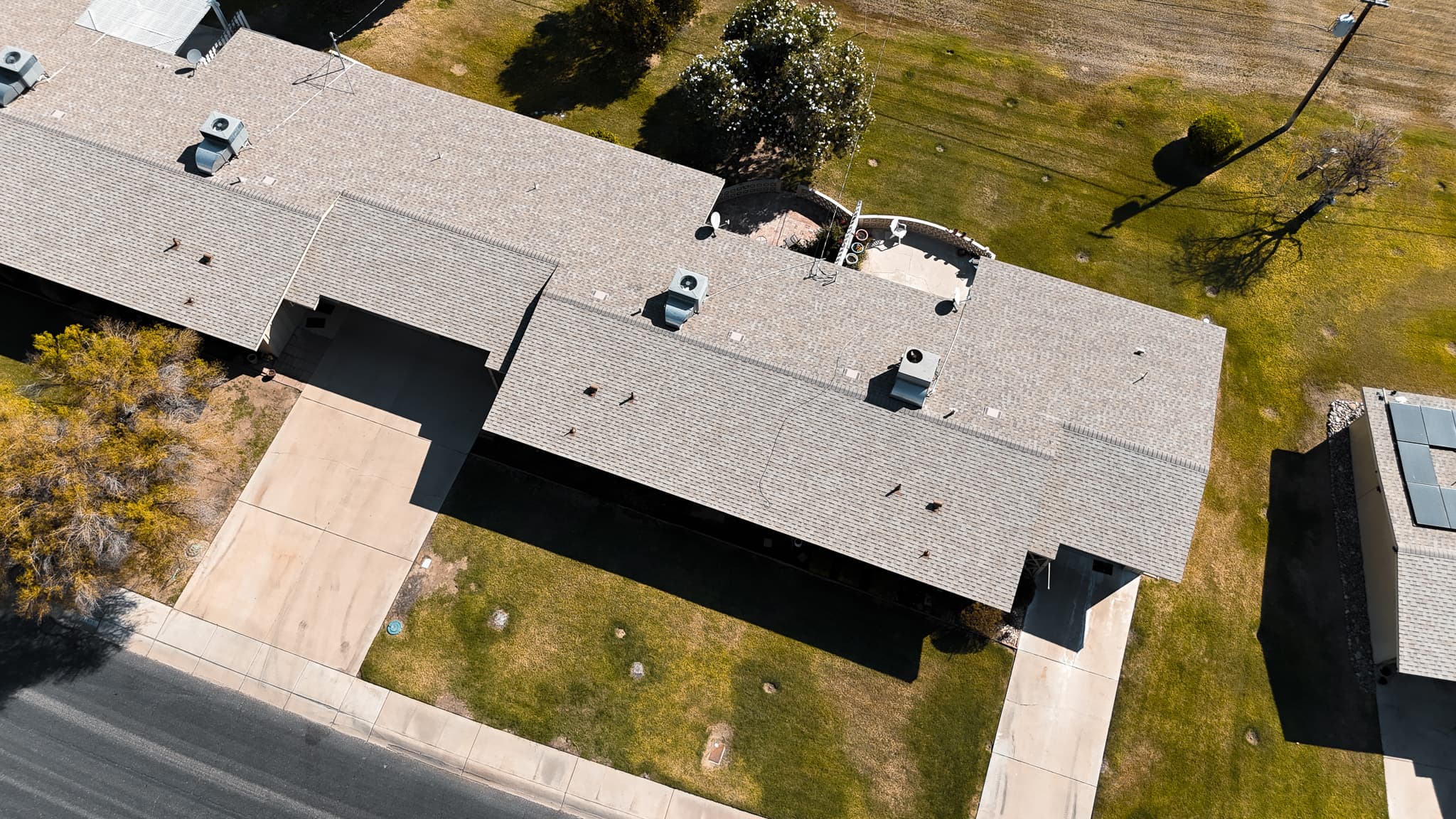
Most Grayhawk homes have concrete tile with felt-paper underlayment from the original install. The Park, the Retreat, and Talon Ridge subdivisions inside Grayhawk are now in or past the replacement window. Grayhawk has one of the more streamlined ARC processes in Scottsdale (two to three weeks typical), which helps the project timeline once you're ready to start.
Troon, Troon North, and Troon Village (1990s through early 2000s)
Master-planned community with a similar build-era profile to Grayhawk. Concrete tile, felt underlayment, mostly in the replacement window. The flat-tile profiles common to Troon (Capistrano or similar) are still readily available from Eagle Roofing and Boral, so color matching for partial replacement is usually possible. (For the broader sourcing playbook on matching discontinued tile colors across any Scottsdale community, see our tile color matching guide.)
Troon North is slightly newer on average, with more homes that might still be within original underlayment service life. Worth checking your specific home's build year.
Desert Mountain (1986 to present, custom homes ongoing)
Desert Mountain spans almost forty years of construction, so the build era of your specific home matters more here than in any other Scottsdale community. The earliest homes from the late 1980s are well into multi-cycle replacement territory. Custom homes built in the 2010s and 2020s are still within original service life. Many Desert Mountain homes have original construction-era specifications archived with the ARC, which is the simplest path for like-for-like replacement.
Desert Mountain's HOA approval timelines run long (six to ten weeks is normal), so build that into any project planning.
Estancia, Whisper Rock, and the Pinnacle Peak corridor (2000s, mostly custom)
Boutique custom homes, varied build years, varied roof systems. Some clay tile, some concrete, with mixed underlayment specifications depending on the original builder. Generalizations are less reliable here. A specific inspection is the right move.
Paradise Valley (varied)
Paradise Valley spans almost every era and almost every roof type. The town adjacent to Scottsdale shares most of the same underlayment-replacement dynamics. Older homes (1960s and 1970s) often have flat-foam systems. Newer custom homes (2000s onward) are typically tile.
Communities not HOA-governed
Plenty of Scottsdale homes (older Old Town, parts of South Scottsdale, scattered non-master-planned subdivisions) have no HOA at all. Replacement decisions are simpler in those neighborhoods because the only approval you need is the City building permit. Material and color are entirely your call.
How to know if your roof is in the replacement window
The simplest tests, in order of cost.
Free, two minutes. Open the City of Scottsdale's online permit search and look up your address. Any closed re-roof permit in the last 25 years means at least the underlayment has been replaced once. No permit on record means the original underlayment is still up there (or the prior work was unpermitted, which is its own resale problem we cover in the Scottsdale permits guide).
Free, ten minutes. Walk the perimeter of your home. Look up at the eaves. If you see exposed underlayment hanging out below the drip edge and it's curling, brittle, or stained, that's failing felt paper telling you the time has come.
Free, fifteen minutes after the next monsoon. Walk the yard and patio for displaced tile, broken tile fragments, or pieces of ridge cap. Monsoon-damaged Scottsdale roofs in this build era are often telling you the underlayment was holding things together long after the fasteners gave up. For the full pre-storm and post-storm playbook on Scottsdale monsoons, see our Scottsdale monsoon roof prep guide.
Flat-rate $150 to $275. Schedule a paid roof inspection. We do these year-round and credit the inspection fee toward the work if you proceed. Tanner walks the roof, photographs everything, and gives you a written assessment with a recommended scope, whether that's a $400 repair or a $14,000 re-underlayment.
For more detail on the general signals that your roof is asking for attention, see signs your roof needs repair.
What to do based on your neighborhood
If your home is in any of the 1970s through early-2000s master-planned communities (McCormick Ranch, Scottsdale Ranch, Stonegate, Gainey Ranch, DC Ranch, Grayhawk, Troon, original Desert Mountain) and there's no recent re-roof permit on file, you are very likely in the lift-and-set re-underlayment window right now. That's the conversation to start.
If you're in Silverleaf, Estancia, Whisper Rock, or a newer Troon North phase, your roof may or may not be due depending on build year and whether the original installation used synthetic underlayment. Worth a paid inspection to find out.
If you're in Old Town or Arcadia with a flat or low-slope roof, your conversation is foam recoat timing, not tile replacement. Different system, different cycle.
If you bought your home in the last few years and you're not sure when the roof was last touched, the City permit search is the fastest way to find out. Cost: zero. Time: two minutes.
How HailCo handles Scottsdale jobs
We've worked on roofs in just about every Scottsdale community at this point, and that's part of why we can usually tell from the address alone what the conversation is likely to be before we ever set foot on the roof. It also means we know which neighborhoods have which HOA's specific requirements, which build eras came with what underlayment, and which subdivisions have specific recurring failure patterns to watch for.
When you call us for an estimate, we don't show up and try to sell you the most expensive scope. Tanner walks your specific roof, looks at what's actually there, and recommends the smallest scope that actually solves the problem. On most homes built 1995 to 2008, that's lift-and-set re-underlayment, not full tile replacement. The savings between those two scopes is often $8,000 to $12,000, and we'd rather have a happy Scottsdale customer who refers their neighbors than sell one expensive job and never hear from you again.
For a paid inspection ($150 to $275, credited to any work you authorize) or a free written estimate on visible damage, call (480) 582-3122 or request a free quote. Tanner Sewell (HailCo's lead estimator and co-owner) walks every residential estimate himself. We'll be straight with you about what your specific roof actually needs based on what we find, not what your subdivision's age suggests. No high-pressure sales calls, no upsells you don't need. Just a real conversation about your roof and your community.
Side-by-side
Scottsdale neighborhood build eras + current replacement status
| Community | Typical build era | Original roof system | Replacement window status |
|---|---|---|---|
| McCormick Ranch | 1973 to mid-1980s | Concrete tile + felt underlayment | Past due; often on 2nd cycle |
| Scottsdale Ranch | 1980 to early 1990s | Concrete tile + felt underlayment | Past due |
| Stonegate | 1980s to 1990s | Concrete tile + felt underlayment | Past due |
| Gainey Ranch | Mid-1980s to mid-1990s | Concrete tile + felt underlayment | In window or past due |
| DC Ranch (main) | 1996 to mid-2000s | Eagle concrete tile + felt | In the lift-and-set window now |
| Grayhawk | 1994 to early 2000s | Concrete tile + felt underlayment | In window or past due |
| Troon and Troon Village | 1990s to early 2000s | Concrete tile + felt underlayment | In the lift-and-set window now |
| Troon North | Late 1990s to 2010s | Concrete tile, mixed felt/synthetic | Depends on specific build year |
| Desert Mountain | 1986 to present | Tile (varies by phase) | Depends heavily on build year |
| Silverleaf (phase 1) | 2003 to 2007 | Concrete tile + felt underlayment | Approaching window now |
| Silverleaf (phase 2+) | 2008 to present | Tile + synthetic underlayment | Within original service life |
| Estancia and Whisper Rock | 2000s, custom | Varied tile + varied underlayment | Inspection required |
| Arcadia / Old Town (flat) | 1950s to 1960s | Foam over earlier built-up | Recoat every 8 to 12 years |
| Paradise Valley | Spans every era | Foam (flat) or tile (pitched) | Depends on specific home |
Frequently asked
Questions we hear about this.
How old is my roof if I just bought a Scottsdale home and don't know when it was last replaced?+
The City of Scottsdale's online permit search by property address is the fastest answer. A closed re-roof permit in the last 25 years tells you the underlayment has been replaced; no permit on record means the original installation is still up there. If you're in a 1970s-through-early-2000s master-planned community (McCormick Ranch, Scottsdale Ranch, Gainey Ranch, DC Ranch, Grayhawk, Troon) and there's no permit history, your roof is very likely in or past the lift-and-set re-underlayment window. We do paid roof inspections ($150 to $275, credited toward any work) that confirm what's actually up there and recommend the right scope.
When were McCormick Ranch homes built and what kind of roof do they have?+
McCormick Ranch buildout ran from roughly 1973 through the mid-1980s. Most original homes have concrete tile pitched roofs with 30# felt-paper underlayment. That underlayment was specified for roughly 20 years of service life and is now 40-plus years past install, so almost every McCormick Ranch home that hasn't had a re-underlayment is past due. Many have been done once or twice already. The good news: the original concrete tile is usually still serviceable, so lift-and-set re-underlayment (which keeps your original tile and replaces only the underlayment beneath) is the right scope on most homes and runs significantly cheaper than full replacement.
Is my DC Ranch roof in the replacement window?+
DC Ranch's main buildout phases ran from 1996 through the mid-2000s, which puts the original underlayment squarely in the 20 to 25 year window right now. If your home is original-build and the underlayment hasn't been replaced (check the City of Scottsdale permit search by your address), you are almost certainly due. Original Eagle Roofing concrete tile (typically Capistrano or Bel Air profile) is usually still in good shape, so lift-and-set re-underlayment is the right scope. Note that DC Ranch and Silverleaf both require Architectural Review Committee approval for any replacement work; budget 4 to 12 weeks for ARC plus 1 to 5 days for the City building permit.
Do all Scottsdale neighborhoods have tile roofs?+
No. Scottsdale residential roofing splits roughly by era and neighborhood. The master-planned communities built from the 1970s onward (McCormick Ranch, Scottsdale Ranch, Gainey Ranch, DC Ranch, Grayhawk, Troon, Silverleaf, Estancia, most of Desert Mountain) are predominantly concrete or clay tile. Older neighborhoods built in the 1950s and 1960s (Arcadia, Old Town, parts of South Scottsdale) are mostly mid-century moderns with flat or low-slope roofs, typically now on foam (spray polyurethane) systems that need an elastomeric recoat every 8 to 12 years rather than tile replacement. The conversation is different depending on which system you have.
Can I just replace the underlayment without replacing the tile?+
Yes, and on most Scottsdale homes built between 1995 and 2008 that's exactly the right scope. It's called lift-and-set re-underlayment. We carefully remove and stockpile the original tile, replace the underlayment with synthetic (which typically doubles the service life of the next cycle), then re-set the original tile back on the roof. The tile is usually fine and reusable; only the felt-paper underlayment beneath has reached the end of its life. Lift-and-set typically runs 40 to 60% less than a full tile-and-underlayment replacement, often $8,000 to $12,000 in savings on a typical Scottsdale home. We recommend full replacement only when the tile itself is damaged, discontinued, or being changed for HOA or aesthetic reasons.
Next step
Want to know exactly where your Scottsdale roof sits in its replacement cycle?
We've walked roofs in every major Scottsdale community. A paid inspection is $150 to $275 (credited to the work if you proceed). We'll tell you what your specific roof actually needs based on what's up there, not what your neighborhood's typical pattern suggests.
Services covered in this guide
Ready to act on what you read?
- Tile RoofingScottsdale tile roofing specialist: concrete and clay tile installation, repair, and lift-and-set re-underlayment across the Phoenix Valley.
- Roof ReplacementFull roof replacement in Scottsdale & Phoenix: tear-off, new system install, permits, and cleanup — when repair is no longer the right call.
- Roof RepairTargeted roof repair across the Phoenix Valley — leaks, cracked tile, lifted shingles, and failed flashing found and fixed correctly.
More resources
Keep reading.
- Read →
Cost & Financing
What a tile roof actually costs in Arizona (and what you're really paying for)
Most quotes lump material, labor, underlayment, and tear-off into one number. Here's how to break it apart and compare contractors honestly.
- Read →
Insurance & Storm Damage
The 12-point monsoon checklist every Valley homeowner should run
What to inspect (and what to photograph) within 48 hours of a storm: for your records, your roofer, and if needed, your insurance carrier.
- Read →
Materials & Shingles
Shingle vs. tile vs. foam: which is right for your Arizona home?
A side-by-side comparison from a contractor who installs all three across the Valley every week. No manufacturer marketing.