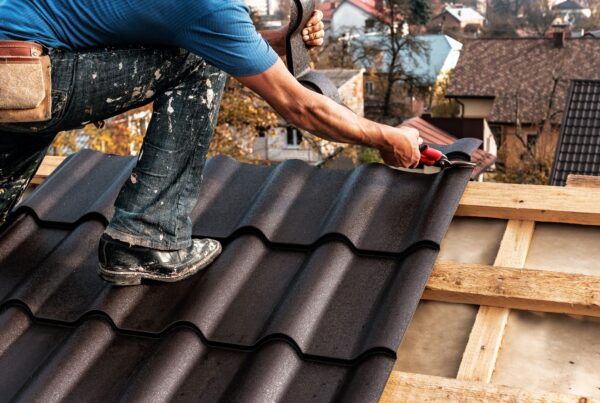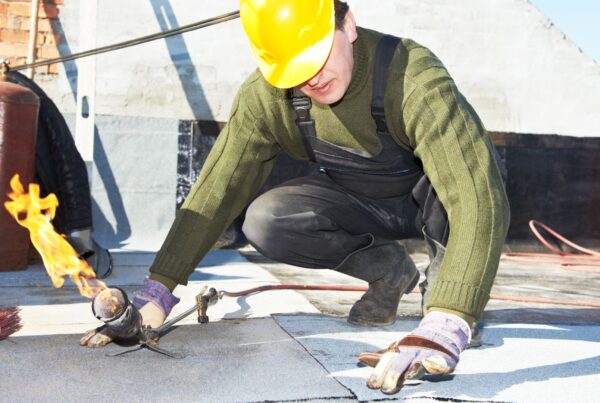
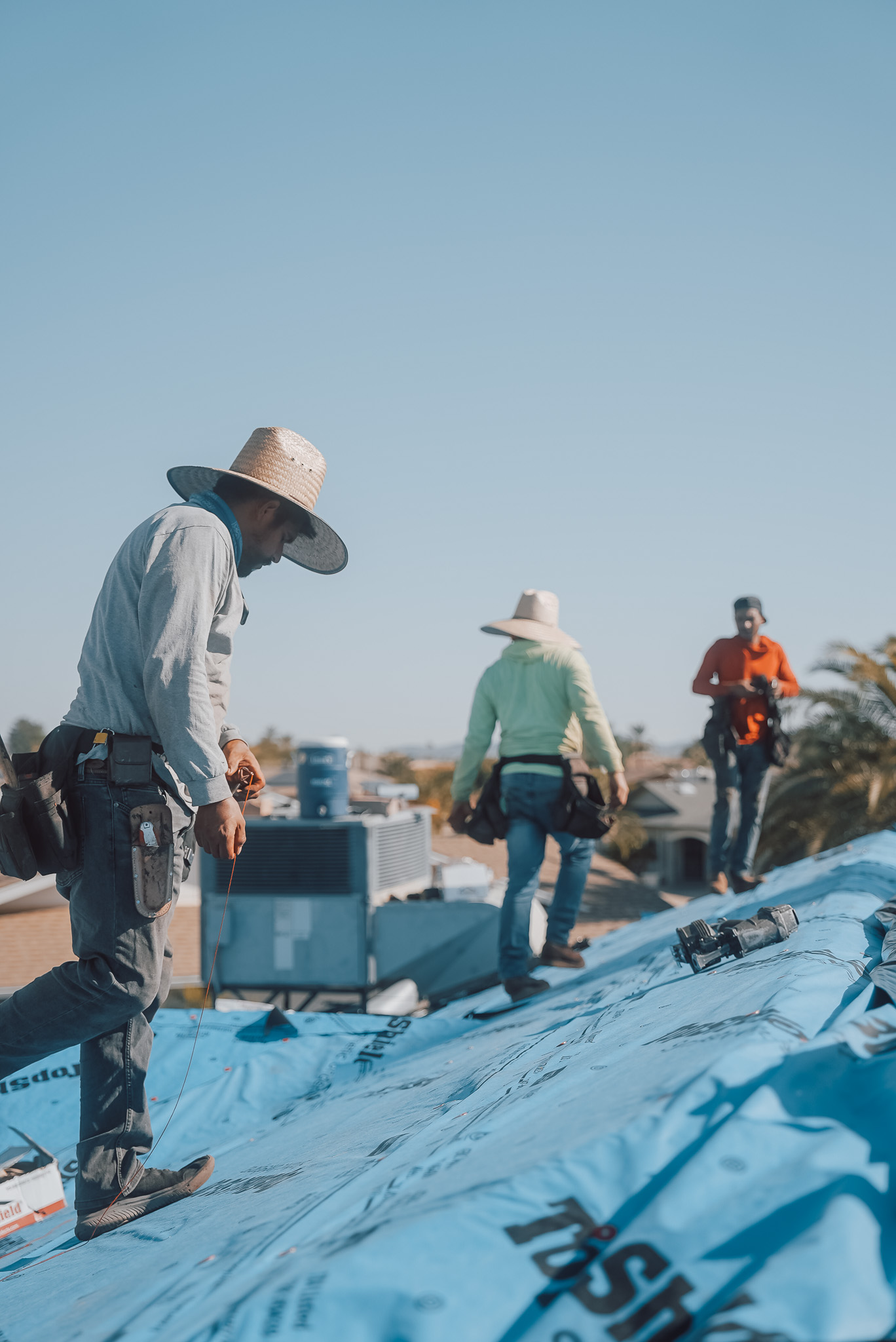
A Roofing Contractor dedicated to storm-resistant designs plays a crucial role in protecting homes and businesses from severe weather conditions. These professionals carefully evaluate local climate patterns, building materials, and structural requirements to craft roofs that withstand high winds, heavy rain, and hail. A Roofing Contractor integrates advanced engineering techniques, ensuring durability without compromising aesthetics. From reinforcing support structures to selecting resilient materials, every element is designed to provide long-term safety and performance. Homeowners and property managers benefit from reduced maintenance costs and enhanced structural integrity, knowing their investments are shielded. Prioritizing storm-resistant designs demonstrates a Roofing Contractor’s commitment to quality, safety, and enduring protection against nature’s unpredictable forces.
Strengthening Structural Integrity
A Roofing Contractor prioritizes structural integrity when designing storm-resistant roofs. Reinforcing trusses, beams, and load-bearing components ensures the building can handle extreme wind and weight from accumulated rain or hail. By analyzing the existing framework, a Roofing Contractor identifies weak points and implements solutions that enhance overall stability. This approach not only strengthens the roof but also protects walls and foundational elements from stress-induced damage. Incorporating precise construction techniques and high-quality fasteners, a Roofing Contractor ensures that the roof remains firmly anchored. Structural reinforcement is essential for preventing catastrophic failures during storms and extending the roof’s lifespan.
Selecting Durable Materials
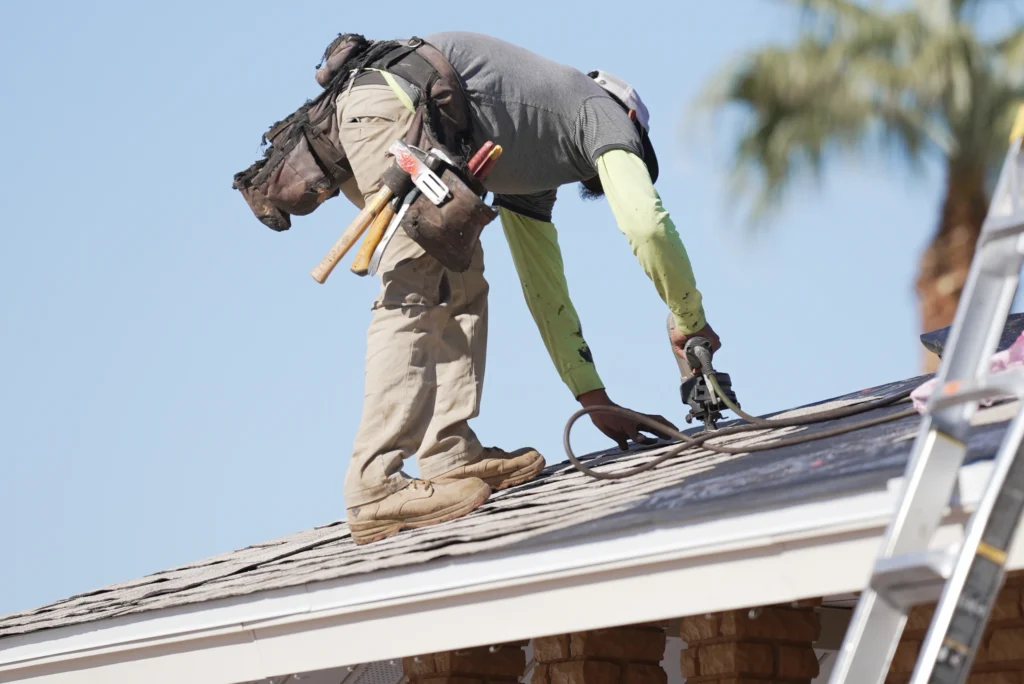
Material selection is a critical aspect of storm-resistant roofing. A Roofing Contractor carefully chooses components that can endure harsh weather, including impact-resistant shingles, reinforced underlayment, and corrosion-resistant metal elements. Evaluating local climate factors such as wind velocity, rainfall patterns, and hail frequency informs these decisions. By using materials with proven durability, a Roofing Contractor reduces the likelihood of leaks, cracks, and other storm-related damage. Additionally, material choices influence insulation, energy efficiency, and overall aesthetics. Prioritizing high-performance materials demonstrates a Roofing Contractor’s commitment to long-lasting protection, ensuring that every layer of the roof contributes to resilience against natural forces.
Reinforced Roof Framework
Beyond materials, a Roofing Contractor strengthens the roof’s framework to resist storm forces. Techniques include cross-bracing, additional support beams, and reinforced joists, all designed to prevent warping, shifting, or collapse. A well-engineered framework distributes weight evenly and absorbs energy from high winds or debris impact. A Roofing Contractor evaluates roof pitch and structure to integrate reinforcements seamlessly, maintaining visual appeal while enhancing safety. Reinforced frameworks also improve connections between roof panels, reducing the risk of detachment during storms. By combining engineering expertise with precise installation, a Roofing Contractor ensures the framework serves as a durable foundation for storm-resistant roofing systems.
Advanced Weatherproofing Techniques
Weatherproofing is central to storm-resistant roofing, and a Roofing Contractor applies advanced techniques to prevent water intrusion and wind damage. This includes high-quality underlayments, sealed joints, and specialized flashing around chimneys, vents, and edges. A Roofing Contractor integrates wind-resistant fasteners and water-repellent coatings to minimize leaks and structural compromise. Properly executed weatherproofing not only shields the building during storms but also prevents long-term moisture damage, mold growth, and interior deterioration. Through meticulous sealing and reinforcement, a Roofing Contractor ensures that the roof functions as a protective barrier. These strategies reflect a commitment to safety, reliability, and durability in storm-prone areas.
High-Quality Underlayments
A Roofing Contractor uses high-quality underlayments as the first defense against water penetration. These layers act as a protective barrier beneath shingles or panels, reducing the risk of leaks during heavy rainfall. Proper installation ensures complete coverage of vulnerable roof areas, enhancing durability and preventing structural damage.
Sealed Joints and Edges
Sealing roof joints and edges is critical for preventing water intrusion and wind damage. A Roofing Contractor meticulously applies sealants and flashing to areas around chimneys, vents, and intersections. This careful approach prevents gaps where moisture could enter, protecting the underlying structure. Properly sealed joints also resist uplift from strong winds, maintaining the roof’s stability.
Specialized Flashing Installation
Specialized flashing installation reinforces storm-resistant roofing by directing water away from vulnerable areas. A Roofing Contractor places flashing around chimneys, skylights, vents, and roof intersections to prevent leaks. Correctly fitted flashing also strengthens weak points against high winds, reducing the risk of material displacement.
Wind-Resistant Fasteners
Using wind-resistant fasteners is an essential technique for stormproof roofs. A Roofing Contractor installs nails, screws, and clips designed to withstand strong gusts and prevent panels or shingles from loosening. Proper fastening reduces the likelihood of roof damage, debris, and costly repairs.
Water-Repellent Coatings
A Roofing Contractor applies these protective layers to shingles, panels, and vulnerable surfaces, reducing the risk of leaks and water damage. These coatings also help resist mold growth, wood rot, and other structural deterioration over time. By combining coatings with proper underlayment and sealing techniques, a Roofing Contractor creates a comprehensive weatherproofing system, ensuring the roof remains strong, durable, and reliable through heavy rain and severe storms.
Optimizing Roof Slope Design
The slope of a roof plays a key role in storm resistance, and a Roofing Contractor carefully evaluates angle and pitch to enhance performance. Proper slope facilitates water runoff, reduces pooling, and minimizes the risk of leaks. It also helps deflect wind forces and reduces stress on shingles and panels. A Roofing Contractor considers both functional and aesthetic factors, ensuring that the roof blends with architectural design while providing maximum protection. Adjusting slope angles strategically prevents damage from ice accumulation or heavy rainfall. By integrating slope optimization into storm-resistant designs, a Roofing Contractor improves durability, performance, and the overall resilience of the building envelope.
Strategic Drainage Solutions
Effective drainage is essential for storm-resistant roofs, and a Roofing Contractor implements strategies to prevent water buildup and related damage. Gutters, downspouts, and internal channels are carefully positioned and sized to handle heavy rainfall. A Roofing Contractor ensures that water flows away from foundations and critical structural areas, reducing erosion and flooding risks. Proper drainage also limits the potential for mold growth and deterioration of roofing materials. By designing systems that accommodate both normal and extreme conditions, a Roofing Contractor safeguards the building from water-related hazards. Strategic drainage is an integral part of long-term storm resilience, protecting the structure’s integrity and occupants’ safety.
Long-Term Maintenance Planning
Storm-resistant roofs require ongoing care, and a Roofing Contractor emphasizes long-term maintenance planning to preserve performance. Regular inspections, cleaning debris, and checking seals and fasteners prevent minor issues from escalating into major damage. A Roofing Contractor develops maintenance schedules tailored to local weather patterns and material types, ensuring proactive care. Preventive maintenance extends roof life, maintains structural integrity, and reduces repair costs. A Roofing Contractor also advises on timely upgrades and material replacements to enhance resilience further. By prioritizing long-term care, a Roofing Contractor ensures that storm-resistant designs continue to protect properties effectively for years to come.
Conclusion
Storm-resistant roofing is essential for protecting homes and businesses from the unpredictable weather of Scottsdale, Arizona. A Roofing Contractor who focuses on durable materials, reinforced frameworks, and advanced weatherproofing techniques ensures that properties can withstand high winds, heavy rain, and hailstorms. Investing in a professionally designed, storm-resistant roof reduces repair costs, improves structural safety, and provides long-term peace of mind for property owners. For expert storm-resistant roofing solutions, contact HailCo Roofing in Scottsdale, Arizona. Call 480-582-3122 to schedule an assessment and consultation. Their team of skilled Roofing Contractors is ready to safeguard your property with resilient, high-quality roofing systems.